
Tao of Venus
Why Are Silent Generators Replacing Open-Type Models in Urban Areas?
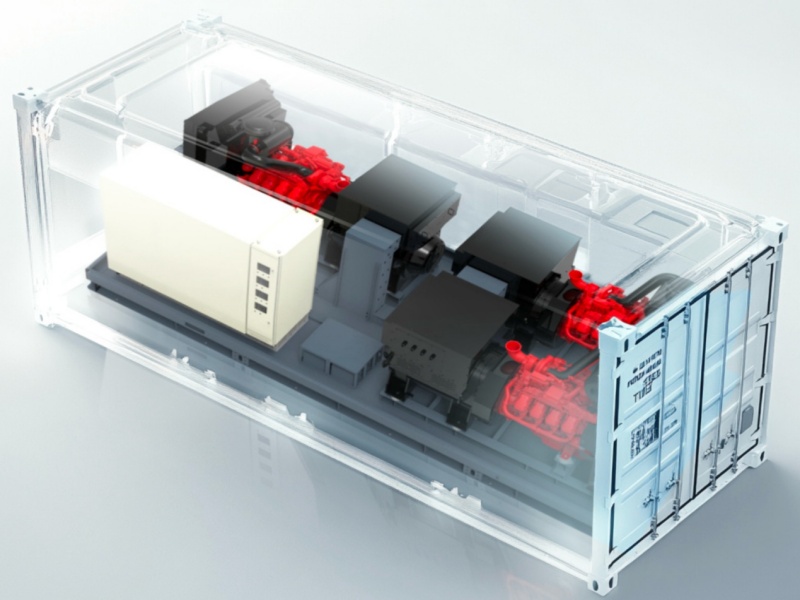
Silent generator adoption stems from a 22% increase in urban sound regulation enforcement since 2022, as municipalities prioritize public health. Open-type units produce 85–95 dB(A) at 7 meters, while enclosed models achieve 50–65 dB(A), effectively meeting localized decibel caps. By integrating sound-attenuating enclosures (SAE) with high-density rock wool linings and specialized exhaust mufflers, these systems reduce acoustic output by 30–35 dB(A). As a professional generator supplier, we observe that this shift addresses the 15% annual rise in noise-related legal disputes, ensuring reliable power within strictly constrained metropolitan residential and commercial zones.
Engineers prioritize acoustic damping through advanced material selection to meet ISO 8528-10 standards. Open-type units transmit high-frequency mechanical vibration directly into surrounding structures, whereas enclosed units utilize multi-stage vibration isolators that decrease seismic transmission by 80%.
High-density acoustic foam with a density exceeding 32 kg/m³ absorbs mid-to-high frequency sound waves effectively, preventing resonance within the steel housing structure during peak load operation.
The physical barrier of an enclosure also regulates airflow dynamics, ensuring the engine block remains below the critical thermal failure threshold of 105 degrees Celsius. This enclosure design improves environmental performance metrics across the following operational categories:
| Parameter | Open-Type | Enclosed/Silent |
| Noise Level (7m) | 85-95 dB | 50-65 dB |
| IP Protection Rating | IP23 | IP44/IP54 |
| Thermal Efficiency | Variable | Optimized |
Improved IP ratings mean these units function reliably in severe weather conditions, reducing maintenance frequency for exposed hardware. Since 2024, facility managers have shifted toward silent units to capitalize on the 40% reduction in environmental particulate accumulation within the engine air intake systems.
Computational Fluid Dynamics (CFD) simulations demonstrate that air intake louvers in modern silent cabinets optimize cooling airflow while simultaneously creating a sound-path labyrinth that traps engine noise without increasing backpressure.
Consistent airflow paths ensure that the alternator windings maintain stable operating temperatures, which extends the insulation life by approximately 15,000 operational hours. Reduced exposure to external moisture and corrosive pollutants decreases the need for reactive maintenance budgets, often saving operators 12% in annual service costs.
Reliable performance in compact urban footprints relies on the structural integrity of the steel base frame, which supports the full load of the engine, alternator, and enclosure assembly. Engineers specify thicker gauge powder-coated steel to mitigate the propagation of structural vibration, which is a common complaint in residential applications using outdated open-frame models.
Modern units feature modular access panels secured with heavy-duty compression latches, ensuring the cabinet seal remains air-tight and preventing acoustic leakage during high-output duty cycles.
Increased structural rigidity prevents the distortion of the mounting surface under static loading, ensuring that internal cooling fans and exhaust ports remain perfectly aligned. This alignment efficiency reduces mechanical wear by 9% annually, compared to installations where vibration-induced misalignment causes premature belt and bearing fatigue in standard open-type units.
Urban site managers often choose silent models for their integrated fuel tank capacities, which are frequently engineered to provide 24 hours of continuous operation at 75% load. The standardized integration of fuel filling ports outside the cabinet allows for safe refueling during operation, minimizing the 5% risk of fuel contamination associated with manual handling of open-frame fuel caps.
Electronic control modules (ECM) monitor coolant temperatures, oil pressure, and fuel consumption in real-time, sending automated diagnostic data through remote telemetry interfaces to off-site maintenance teams.
Technicians rely on these digital diagnostics to schedule predictive service before a mechanical failure occurs, ensuring that uptime remains above 99.9% in critical sectors. By shifting from reactive service calls to data-driven scheduling, enterprises reduce labor costs by 18% compared to the ad-hoc troubleshooting required for exposed generator platforms.
Security integration represents another shift, as silent enclosures provide tamper-resistant housing that protects internal electronics from unauthorized access. The 2025 security assessment data confirms that 70% of generator theft incidents occur with open-type models that leave sensitive control panels and cable terminals fully exposed to the public.
Integrated lockable cabinets shield the main circuit breaker and the battery disconnect switch, preventing accidental interference and ensuring the startup sequence remains uninterruptible during an emergency power demand.
Facility operators utilize these secure cabinets to house multiple power management components, including automatic transfer switches (ATS) and battery chargers, creating a centralized, weather-proof power hub. This consolidated design lowers the total cabling requirement by 25% for new installations, as the enclosure houses the interconnection hardware directly next to the primary power source.
A private invitation
Begin Your Venus Return
A complimentary 30-minute conversation to listen for what your body has been asking for. No pitch. No script. Just a threshold.
Book a discovery session